

Diabetic Foot
Comprehensive Diabetic Foot Care & Management in Gurgaon
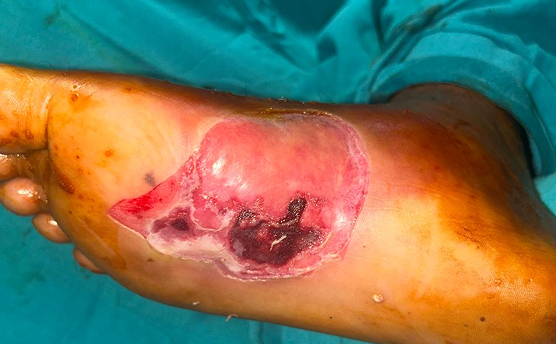
Expert Limb-Salvage & Reconstructive Solutions at DFCare
A diabetic foot ulcer is a serious and potentially limb-threatening complication of diabetes. It commonly occurs due to nerve damage (diabetic neuropathy), poor blood circulation (peripheral vascular disease), and repeated pressure or minor injuries to the foot that go unnoticed. Poor glycemic control, improper footwear, and lack of regular foot care further increase the risk of ulcer formation. Early signs such as redness, swelling, or discharge are often ignored, which can delay timely treatment.
If left untreated, these small wounds can rapidly progress into deep-seated infections, lead to tissue death (gangrene), and ultimately necessitate amputation. In severe cases, infection can even spread to the bone (osteomyelitis), making treatment more complex. At DFCare, we specialize in advanced wound reconstruction and limb-salvage procedures. Our approach includes early diagnosis, infection control, pressure offloading, and personalized treatment plans tailored to each patient’s condition and lifestyle.
Understanding the Pathology of Diabetic Foot Ulcers
The journey toward a foot ulcer often starts silently. High blood sugar levels over time damage the nerve fibers, particularly in the feet, leading to a loss of sensation. This means a patient might not feel a blister, a sharp stone in their shoe, or even a burn. Simultaneously, diabetes can cause the arteries to narrow, reducing the delivery of oxygen and nutrients essential for healing. When you combine lack of feeling with poor blood flow, a minor scratch can transform into a chronic, non-healing wound within days. Our team at DFCare focuses on breaking this cycle through early detection and aggressive physiological management.
Our Advanced Approach to Limb Salvage
At the heart of DFCare’s mission is the “Limb-Salvage Protocol.” We believe that every toe, foot, and leg is worth fighting for. Our approach goes beyond simple bandaging; we utilize a multi-disciplinary strategy that addresses the wound from every angle. This includes vascular assessment to ensure blood is reaching the site, metabolic control to stabilize blood sugar, and specialized “offloading” techniques—using custom footwear or casts to take the pressure off the ulcer so it actually has the chance to close. We don’t just treat the hole in the foot; we treat the whole patient.
Reconstructive Surgical Excellence
When a wound is too deep or complex for traditional dressings, our AIIMS-trained surgeons step in with reconstructive solutions. We utilize state-of-the-art surgical techniques, including skin grafting, local flap reconstruction, and microvascular surgery to restore the integrity of the foot’s structure. By shifting healthy tissue to cover exposed bones or tendons, we provide a biological barrier against infection. This surgical precision is what differentiates DFCare as a premier center in Gurgaon, as we focus on both the functional recovery of the foot and its long-term durability.
Modern Wound Management & Technology
We integrate the latest global innovations in wound care technology to accelerate the healing process. From Negative Pressure Wound Therapy (NPWT), which uses a vacuum to draw out fluid and stimulate cell growth, to advanced bioactive dressings and collagen therapy, we provide a “smart” healing environment. Our goal is to convert a stagnant, chronic ulcer into an active, healing wound. By combining these modern tools with the clinical expertise of Dr. Ritesh and Dr. Hitesh, DFCare offers a beacon of hope for patients who have been told elsewhere that amputation was their only option.
Our Core Specializations
Diabetic Foot Ulcer Treatment & Management
Expert Care for Non-Healing Wounds in Gurgaon
A diabetic foot ulcer is a serious and potentially limb-threatening complication of diabetes. It commonly occurs due to nerve damage (diabetic neuropathy), poor blood circulation, and repeated pressure or minor injuries to the foot. At DFCare, we specialize in advanced wound reconstruction and limb-salvage procedures, combining modern wound management with reconstructive surgical expertise.
Common Causes of Ulcers
Diabetic foot ulcers usually develop due to multiple contributing factors, including:
- Hyperglycemia: Poorly controlled blood sugar levels that hinder the body’s natural repair mechanisms.
- Peripheral Neuropathy: Reduced sensation in the feet, leading to unnoticed injuries.
- Ischemia: Decreased blood flow to the legs and feet, which starves wounds of oxygen and nutrients.
- Mechanical Stress: Ill-fitting footwear or repeated pressure points that cause skin breakdown.
- Vascular Issues: Peripheral arterial disease (PAD), which significantly complicates the healing process.
Advanced Treatment Options at DFCare
We offer comprehensive, individualized treatment plans depending on ulcer severity, infection status, and blood supply:
- Wound Debridement: Precise removal of dead, infected, or non-viable tissue to promote healthy wound healing.
- Advanced Dressings: Use of moisture-balanced dressings, antimicrobial agents, foam, and hydrocolloid dressings to accelerate healing and prevent infection.
- Infection Control: Culture-guided oral or intravenous antibiotics for effective infection management.
- Offloading: Custom footwear, orthotics, and pressure-relief techniques to prevent ulcer worsening and recurrence.
- Reconstructive Surgery: For deep ulcers or gangrene, surgical intervention including wound reconstruction or flap coverage may be required.
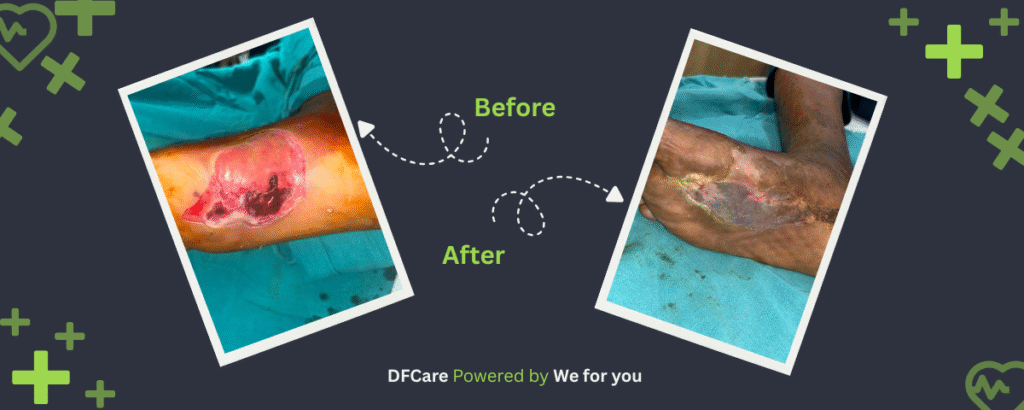
Charcot Foot Reconstruction
Specialized Stabilization for Diabetic Bone Deformity
Charcot Foot is a condition involving bone weakening and deformity due to diabetic nerve damage. Because patients often lose sensation, they may continue to walk on fractured bones, leading to a total collapse of the foot structure.
Our Multi-Phase Approach
- Acute Phase Stabilization: We utilize Total Contact Casting (TCC) to completely offload the foot, allowing the inflammatory process to subside and bones to begin healing.
- Structural Realignment: For patients with existing deformities like “rocker-bottom” foot, Dr. Bazaz performs reconstructive surgery to restore a functional shape.
- Long-term Protection: Transitioning into custom-molded boots (CROW boots) to maintain stability and prevent future fractures.
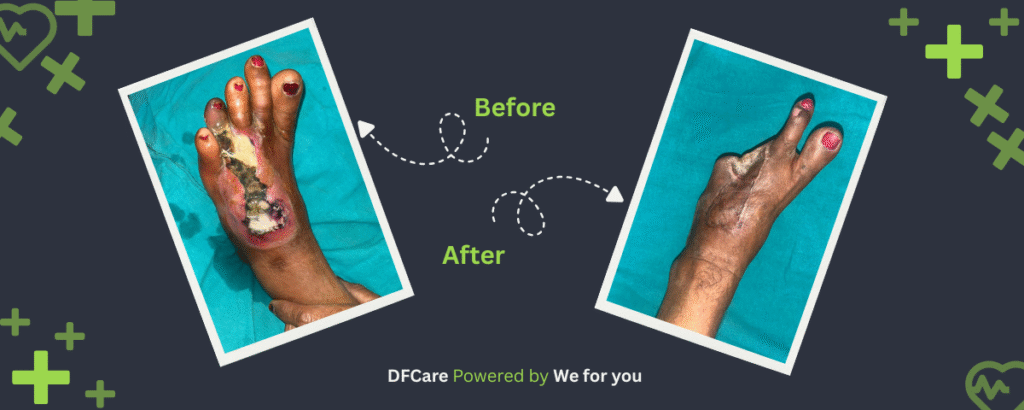
Diabetic Foot Deformity & Alignment
Correcting Bunions, Hammer Toes, and Muscle Imbalance
Diabetes can cause muscle imbalances that pull the foot into unnatural positions, leading to bunions, hammer toes, and collapsed arches. These deformities create high-pressure zones that are the primary sites for future ulcers.
Corrective Services
- Tendon Rebalancing: Surgical and non-surgical methods to correct toe curling and arch collapse.
- Custom Orthotics: Biomechanical assessments to create insoles that redistribute weight away from bony prominences.
- Preventive Surgery: Correcting structural issues early to ensure the skin remains intact and ulcer-free.
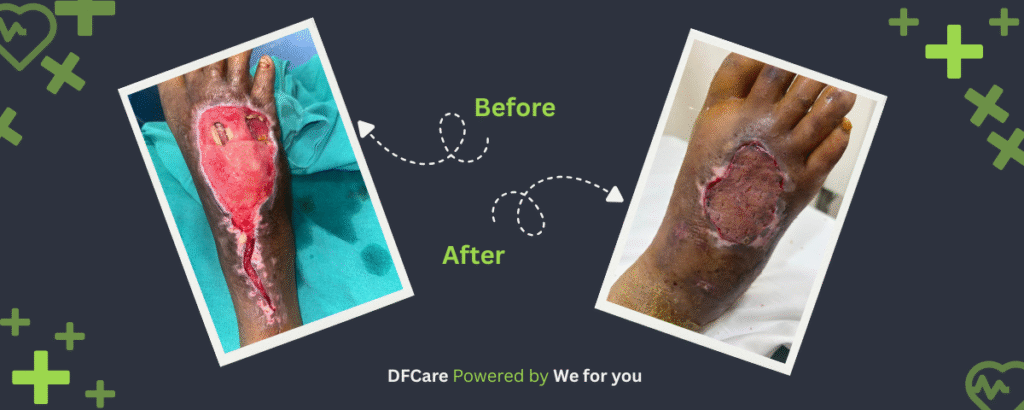
Calluses, Corns, and Preventive Care
Professional Management of High-Pressure Skin Conditions
While calluses and corns may seem minor, in a diabetic patient, they are often a sign of underlying pressure and can hide deep ulcers. Professional management is essential to prevent these areas from turning into open wounds.
What Our Preventive Visit Includes
- Medical Grade Debridement: Sterile removal of thick skin (calluses and corns) to reduce localized pressure.
- Vascular Evaluation: Checking blood flow to ensure the skin has the capacity to heal after treatment.
- Neurological Screening: Testing for loss of sensation to identify “at-risk” areas of the foot.
- Education: Teaching patients how to identify redness, swelling, or discharge early.
Why Choose DFCare
- Expertise in Reconstructive Surgery: Dr. Ritesh Bazaz brings a refined plastic surgery approach to wound healing.
- Focus on Infection Control: We prioritize culture-guided therapy to stop infections before they reach the bone.
- Holistic Management: We treat the whole patient, coordinating care between wound management, medical therapy, and surgery.